

Cultural Etiquette
& Social Norms
Understanding the social fabric of a destination is just as important as knowing the geography. The local culture is deeply rooted in traditions of hospitality, respect, and community, which influence every interaction.
14:32
GMT+2 · EET
38°C
Dry · Sept
Salam
Speak first
- Greetings01
- Dress Codes02
- Body Language03
- Dining & Invitations04
- Religious Practices05
Read This First
The local culture is deeply rooted in traditions of hospitality, respect, and community, which influence every interaction. This guide aims to educate the traveller into Egypt on the subtle nuances of social behavior to ensure they move through the country with grace and respect. By following these simple guidelines, you can build a positive rapport with the people you meet and gain a deeper appreciation for their way of life.
These egypt travelling guides are written from respectful observation, not prescriptive rules. The aim is to explain the reasoning behind each custom so you understand the logic, not just the surface.
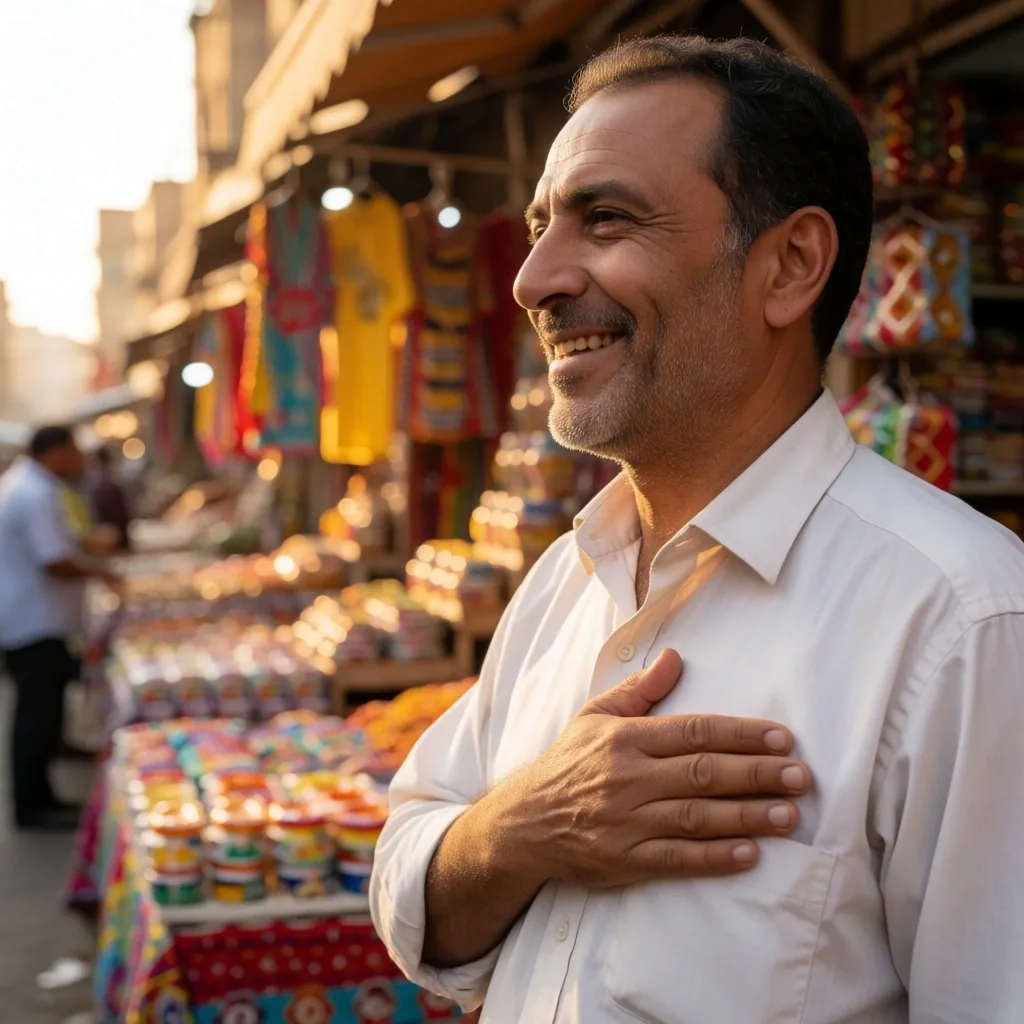
The Importance of Greetings
In this society, a greeting is more than a formality; it is a sign of respect and acknowledgment of the other person's humanity. It is customary to greet someone before asking a question or starting a transaction. A simple "Salam" or "Good morning" accompanied by a nod is standard. When entering a shop or a taxi, a polite greeting sets a positive tone for the entire interaction. Ignoring this step can be perceived as cold or even rude.
Dress Codes & Public Appearance
Modesty is a key component of the local social contract, particularly when visiting residential areas or religious sites. For both men and women, keeping shoulders and knees covered is a sign of respect for local values. While coastal resorts are more relaxed, urban and rural areas require more conservative attire.
Choosing to dress modestly not only shows respect but also helps you avoid unwanted attention and protects you from the sun.
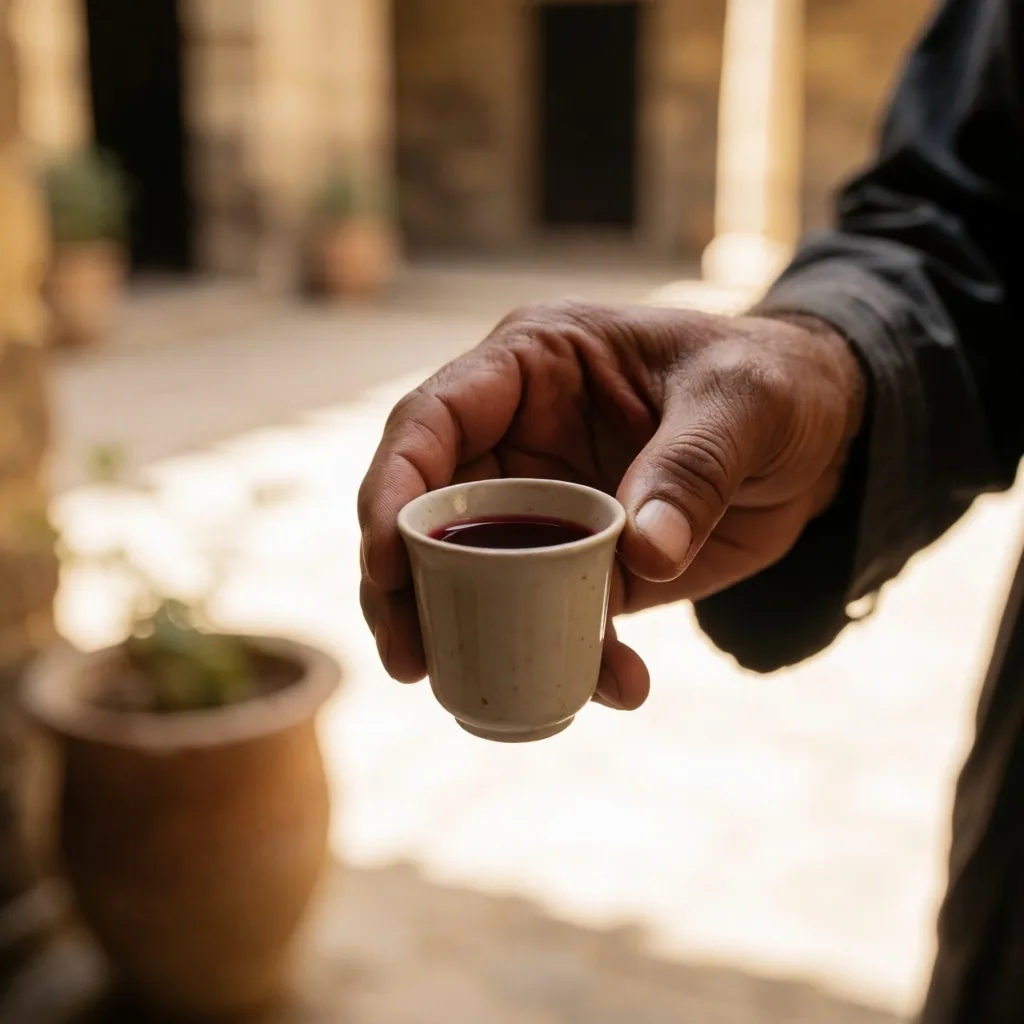 Chapter 03
Understanding Body Language
Certain gestures that are common in the West may have different meanings or be considered impolite here. For example, using the left hand for eating or offering items is generally avoided, as the left hand is traditionally reserved for personal hygiene. Similarly, pointing with the finger is often replaced by a gesture with the whole hand.
Being mindful of these small physical habits shows a high level of cultural intelligence and respect for local traditions.
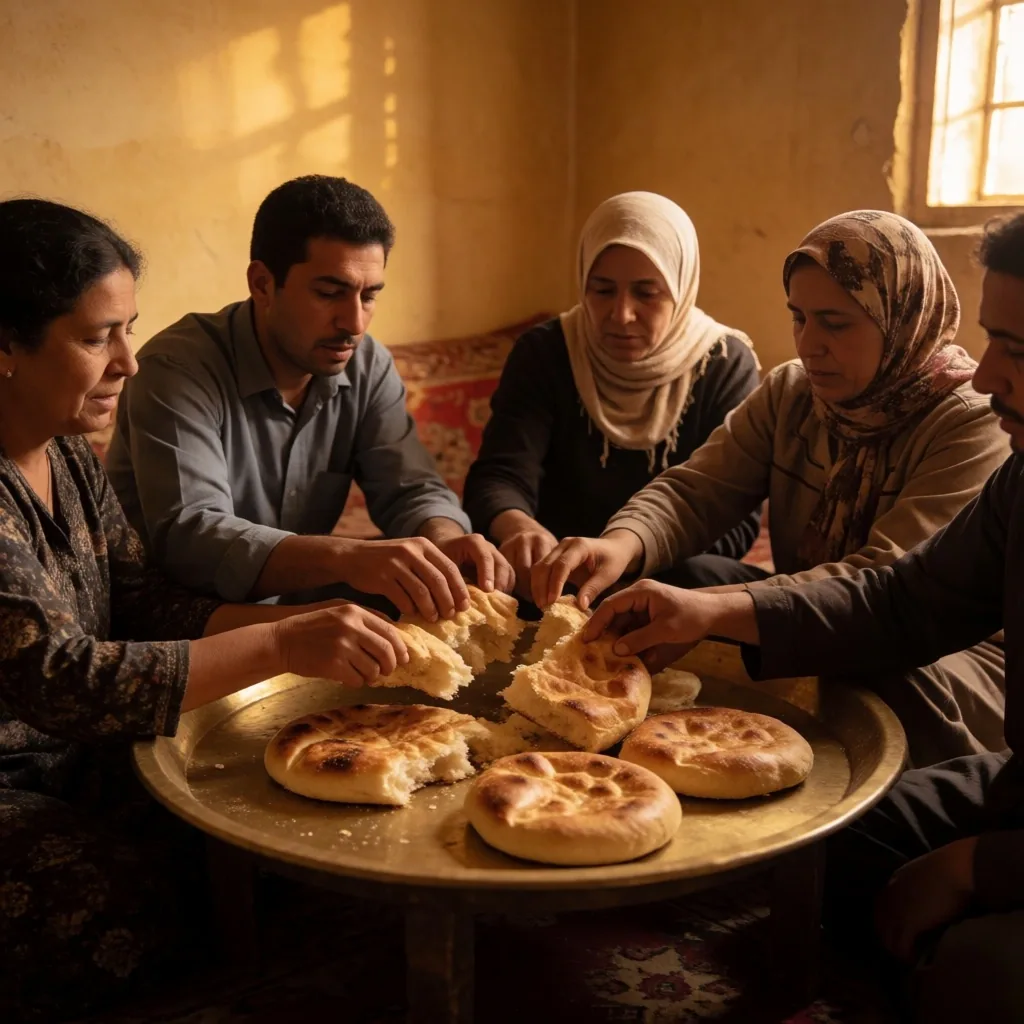
Dining & Social Invitations
If you are invited into a local home, it is a significant gesture of hospitality. It is customary to remove your shoes before entering the living area and to bring a small gift, such as sweets or fruit. When dining, expect to be offered second and third helpings; it is polite to accept a small amount even if you are full.
Refusing food too abruptly can be seen as a slight to the host's generosity, so a gentle "thank you, I am satisfied" is the best approach.
Remove shoes before entering the living area.
Bring a small gift such as sweets or fruit.
Accept a small second helping, even if full.
Respecting Religious Practices
The rhythm of daily life is punctuated by the five daily calls to prayer, which you will hear from minarets across every town and city. During these times, some shops may close briefly, and public spaces may become quieter. It is important to be respectful of those praying and to avoid walking directly in front of them.
During the lunar month of fasting, being mindful not to eat, drink, or smoke prominently in public during daylight hours is a deeply appreciated gesture of solidarity.

Tipping & Baksheesh
The practice of giving small amounts of money for minor services is a standard part of the local economy. Known as baksheesh, it is not a bribe but rather a way of distributing wealth and showing appreciation for help received. Whether it is someone helping you with your bags or providing directions, a small tip is expected.
Keeping a supply of small denomination coins or bills accessible is a practical way to manage these frequent social transactions.
Gender Dynamics in Public
Social interactions between genders often follow specific traditional patterns, especially in more conservative neighborhoods. Female travellers may find that men address the male members of their group first, which is a sign of traditional respect rather than a dismissal of the woman.
In public transport, there are often designated sections or carriages for women to ensure their comfort. Being aware of these dynamics helps in navigating public spaces smoothly and without misunderstanding.
What may feel like a dismissal is often a traditional courtesy. Understanding the intent changes how you read the interaction.
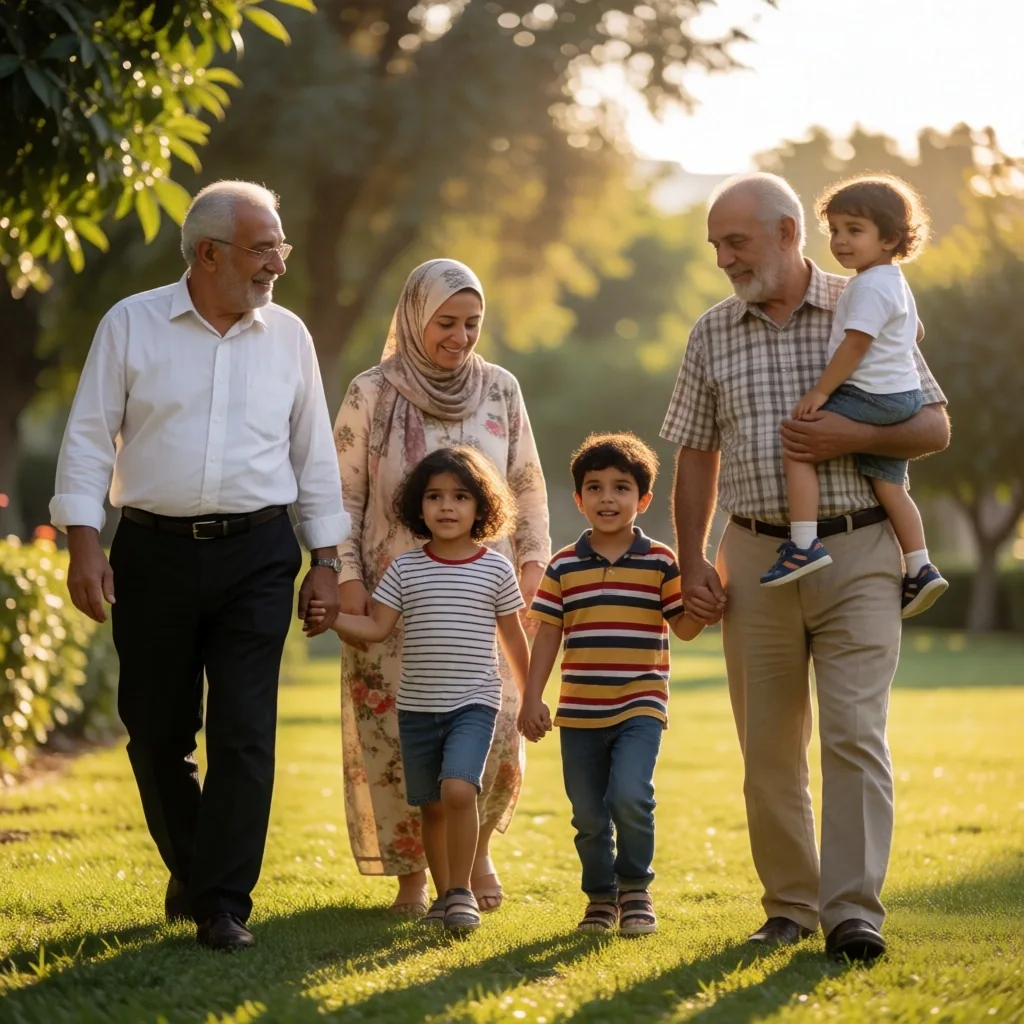
The Role of Family & Community
Family is the cornerstone of the local society, and you will often see multi-generational groups out together in public. Showing interest in someone's family or mentioning your own is a common way to build a connection. Respect for elders is paramount, and you should always offer your seat or wait for them to speak first.
Understanding this focus on community helps explain the warmth and protective nature that locals often show toward visitors.
Travel Guides for the Journey Ahead
These egypt travelling guides continue with practical preparation and regional context. Pair what you have learned here with the right gear and an understanding of the places ahead.