Essential Knowledge for the International Traveller into Egypt
Sun intensity remains high year-round. Steady breeze along the shore. Hydration essential.
Daylight shapes the daily rhythm. Plan around sun position, not the clock alone.
These egypt travelling guides gather what matters: climate patterns, social customs, health basics, and navigational awareness — written for independent explorers, not packaged itineraries.
Preparation Is the Foundation of a Rewarding Journey
Exploring the diverse landscapes of the North African coast and the Nile Valley rewards those who arrive prepared. This platform exists as a dedicated, non-commercial resource — offering clear, objective travel guides for people planning to navigate the region independently. Whether your interest lies in the arid beauty of the eastern deserts or the lush banks of the river, understanding the local context ensures a grounded and respectful experience.
We focus on three pillars: environmental conditions, cultural norms, and logistical preparation. Every traveller into Egypt benefits from knowing how the climate shifts between coast and valley, how daily life follows a rhythm shaped by sun and tradition, and how to move through unfamiliar terrain with confidence. The guidance here comes from observation and practical experience — not from a sales desk. No transactional prompts, no packaged routes, no promotional framing. Just the knowledge you need to feel oriented before you land.
Navigating the Diverse Regional Climate
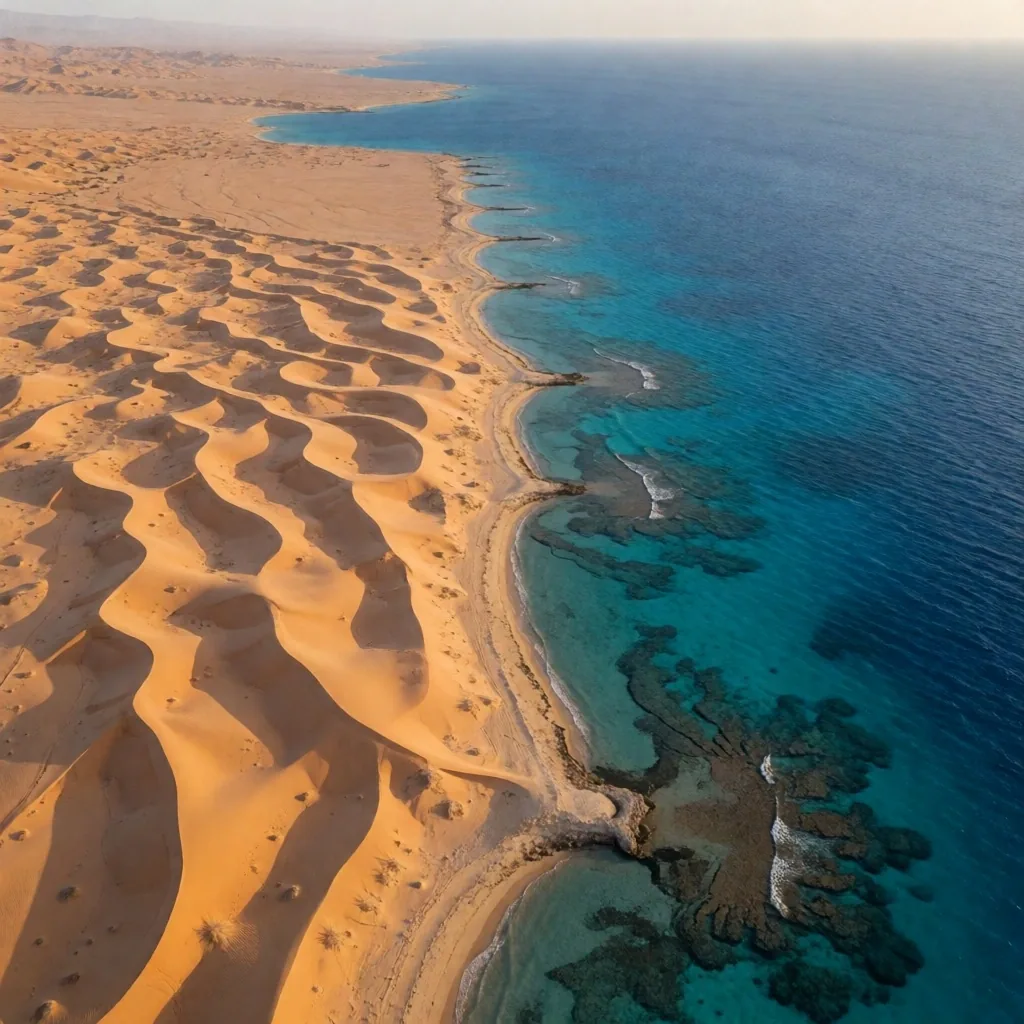
The geography creates distinct microclimates that demand different preparation strategies. Coastal stretches along the Red Sea enjoy refreshing breezes, yet sun intensity stays high throughout the year. Inland valley areas see sharp temperature drops between noon and midnight. Understanding these patterns is the first step in building an itinerary that accounts for physical comfort and hydration during long days of exploration.
High temperatures can lead to rapid dehydration before thirst even registers. Rely on bottled water for drinking and brushing teeth in certain areas. Carrying a reusable bottle and identifying reliable water sources should be a top priority. A wide-brim hat, UV-rated eyewear, and sunscreen reapplied through the day form the baseline for sun protection. Electrolyte sachets help on extended outings in the desert.
Red Sea Coast
Steady breeze · sun intensity high year-round · sun protection non-negotiable
Inland Valley
Sharp temperature swings noon to midnight · layer clothing for comfort
Desert Margins
Hot dry days · nights drop significantly · plan activities for cooler hours
Water Intake
Bottled water only · carry reusable bottle · refill from verified sources
Sun Protection
Wide-brim hat · UV eyewear · sunscreen reapplied every few hours
Activity Timing
Early morning or late afternoon for outdoor exploration · midday rest
Understanding the Local Pace of Life
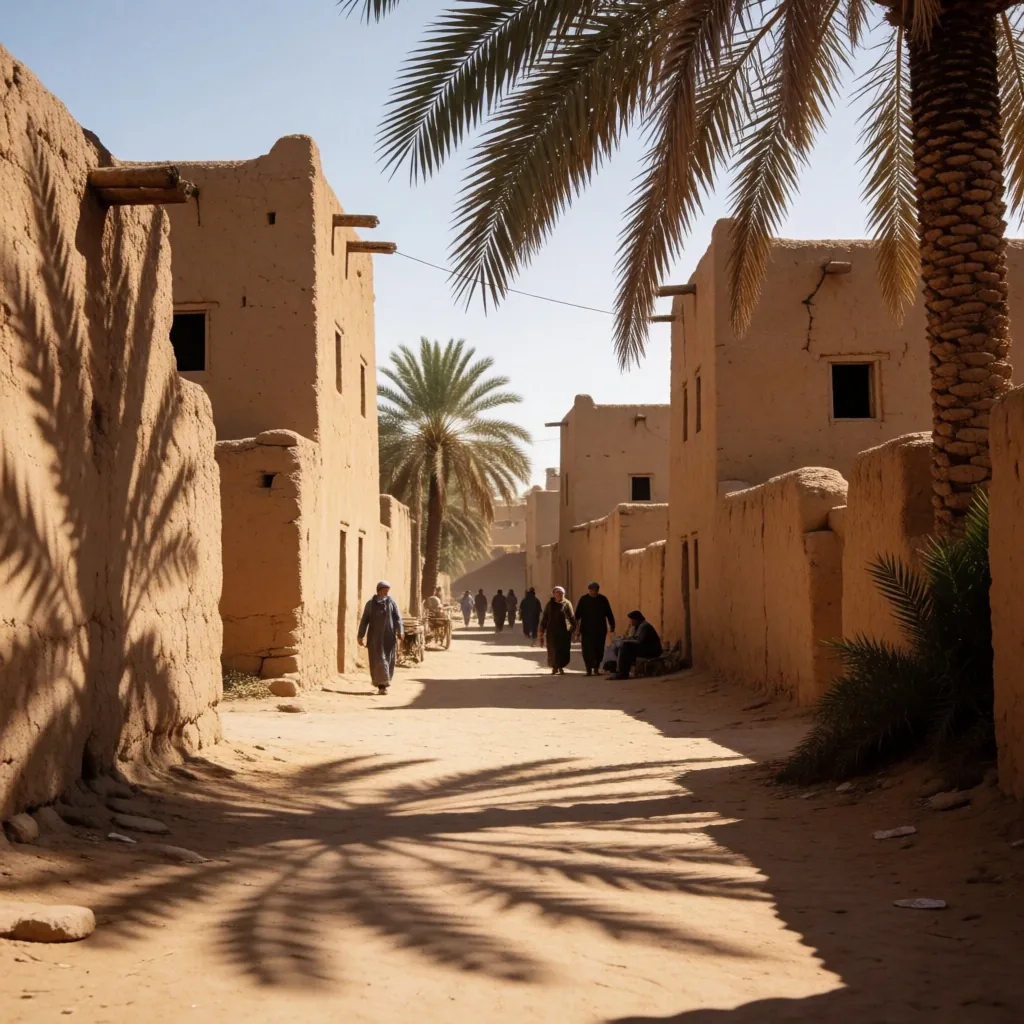
Daily life follows a rhythm shaped by the sun and traditional prayer times. Many local establishments adjust their hours during specific seasons or lunar months, which can affect when outdoor areas are best explored. By observing how residents interact with their environment, a traveller into Egypt can synchronize their schedule to avoid the peak heat of the day.
Social interaction here is characterized by warmth and extended greetings. Locals often engage in small talk before discussing practical matters. Understanding this social grace helps navigate markets and public spaces with ease. Rushing through an exchange can read as dismissive — allowing extra time for these daily courtesies is practical advice for a smoother journey.
This adjustment preserves energy and opens space for more authentic observation of local social habits. The midday pause, when many businesses close for a few hours, is not an inconvenience but an invitation to rest, find shade under a palm canopy, and let the hottest part of the day pass before resuming exploration.
Read Cultural TipsRespectful Photography and Observation
Capturing memories is a natural part of any journey, yet it requires sensitivity in this cultural landscape. It is standard practice to ask permission before photographing people, especially in smaller villages or residential neighborhoods. A simple gesture or phrase communicates respect more effectively than any camera.
Certain government buildings and infrastructure points are restricted for security reasons. Maintaining a polite distance and prioritizing direct experience over digital capture often leads to more meaningful interactions with the surroundings. When in doubt, put the camera down and simply observe.
Navigation Without Official Labels
Exploring the region involves looking beyond official maps and focusing on natural landmarks that have guided people for millennia. The flow of the river and the position of the sun are often more reliable direction indicators than temporary signage.
Many areas organize themselves by proximity to the water or the desert edge, creating a logical grid for those who pay attention to the topography. Learning to read these natural cues helps maintain a sense of direction in sprawling urban centers, where named streets may change from one block to the next.
Environmental Conservation for Visitors
The natural beauty of the coral reefs and desert dunes is fragile and requires conscious protection from every person who passes through. Avoid touching marine life or removing stones and artifacts from historical or natural sites. Following "leave no trace" principles, travellers contribute to the preservation of these landscapes for future generations.
Small actions make a collective impact: dispose of waste properly in urban areas, stay on marked paths near sensitive ecosystems, and carry out everything you carry in. The palms, reefs, and dunes have stood for millennia — the goal is to leave them exactly as you found them.
Transportation Logic and Local Transit
Public transit and private vehicles operate on a system that might seem complex at first glance. Understanding the difference between shared micro-buses and larger transport networks is essential for moving between districts. Many transit hubs sit near major squares, serving as central nodes for the local population.
Shared routes within and between districts · identify by destination signs
Connect major corridors · depart from central squares and hubs
Cluster near major squares · central nodes for local population
Follows the river and main arteries more than straight lines
Familiarizing yourself with these hubs early in the journey simplifies the process of getting from one neighborhood to another. Route numbering may be inconsistent — asking a local for the correct stop is often faster than relying on digital maps.
The Role of Language in Daily Life
While many people in the hospitality sector speak multiple languages, knowing a few basic phrases in the local dialect goes a long way. Simple greetings and expressions of gratitude are appreciated and can bridge the gap between a stranger and a welcome guest.
As-salamu alaykum
A universal greeting — peace be upon you. Use it freely and often.
Shukran
Thank you. Goes a long way in any exchange.
Numbers in local dialect
Helpful for verifying transit details and market exchanges.
Using the local tongue for numbers or basic directions also helps in verifying information during transit. It demonstrates respect for the local heritage that is always well-received — and often rewarded with warmer, more helpful responses.
Seasonal Variations and Travel Planning
The time of year you choose will drastically change your experience of the landscape. Planning around these seasons allows for a more tailored journey, ensuring that your physical activities match the environmental reality.
Mild temperatures ideal for outdoor walks and desert excursions. The most comfortable window for extended exploration.
Intense heat suited for heat-tolerant travellers. Coastal activities and early-morning outings are the practical approach.
Spring and autumn bring pleasant temperatures and softer light on the ancient architecture and natural vistas.
Safety in Public Spaces
Public spaces are generally lively and social, providing a safe environment for those who remain aware of their surroundings. As in any major global destination, basic precautions apply.
-
Keep personal belongings secure and avoid displaying items of high value openly.
-
Stay in well-lit areas and follow the general flow of foot traffic.
-
Trust local advice regarding specific routes or neighborhoods.
-
Carry a copy of your identification rather than the original when exploring.
Cultivating a Mindset of Patience
Travel in this region often involves unexpected delays or changes in plans due to local events or weather. Cultivating a flexible mindset is perhaps the most important tool a traveller can pack. Instead of viewing a delay as a setback, use the time to observe the local surroundings or engage in a quiet moment of reflection under the shade of a palm.
This adaptability is what separates a standard trip from a genuinely educational experience. The most memorable moments often arrive unplanned — a conversation with a stranger, an unexpected turn down an unfamiliar street, the way the light hits a stone wall at a particular hour. Leave room for those moments by holding your itinerary loosely.
These egypt travelling guides exist to help you prepare for the expected so you have the capacity to embrace the unexpected.
View Packing Guides
What to carry, what to leave behind, and how to prepare for the climate zones you will encounter.
Open Guide → 02Read Cultural Tips
Social customs, greeting practices, photography etiquette, and how to navigate daily interactions.
Open Guide → 03Explore Regional Highlights
Coastal, valley, and desert corridors — what each region offers and how to approach them.
Open Guide →A Non-Commercial Travel Resource
This platform provides travel guides and preparation tips for international travellers exploring Egypt. We do not sell, arrange, or promote any service. Every guide on this site is written to inform and prepare — nothing more. If you have a question about the region, the climate, or what to carry, reach out.
Contact Usمصر قديم، 3 Mostafa Reda,
Al Manyal Ash Sharqi, Old Cairo,
Cairo Governorate 4240270, Egypt