Packing Essentials for the Egyptian Climate
Deciding what to bring is a critical step in preparing for a journey through varying terrains, from sandy dunes to bustling metropolitan streets. The climate demands a balance between protection from the elements and adherence to local modesty standards.
38°C
Midday · Summer Peak
13h
Sunrise 05:30 · Sunset 18:30
This guide focuses on functional items that enhance comfort without burdening the traveller with unnecessary weight. By selecting versatile pieces, you can ensure you are prepared for both the midday sun and the cooler evening air characteristic of the desert.
Clothing for Sun Protection and Modesty
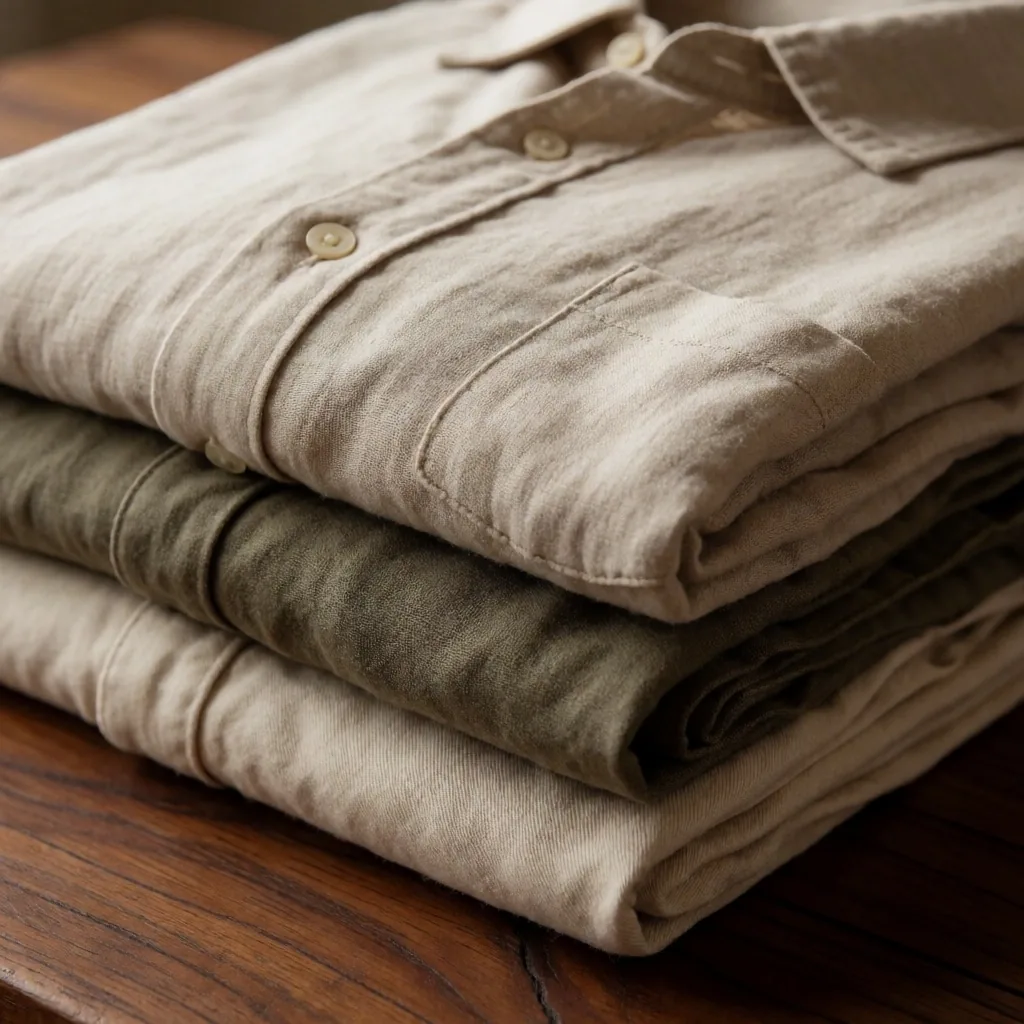
The most effective way to stay cool in the heat is to wear loose-fitting clothing made from natural fibers like linen or cotton. These materials allow the skin to breathe while providing a physical barrier against intense UV rays. Both men and women should consider garments that cover the shoulders and knees, which aligns with local cultural expectations and protects against sunburn.
A lightweight scarf is a versatile addition, serving as a head cover, a makeshift towel, or an extra layer for air-conditioned transport. Linen outperforms polyester in forty-degree heat because it releases moisture quickly instead of trapping it against the skin. Choose light-coloured fabrics — dark dyes absorb solar radiation and turn your clothing into a heat source. A scarf also works as a neck cover during long walks, reducing direct sun exposure on the back of the neck.
Fabric Priority
Natural fibres over synthetic blends in all daytime wear.
Footwear for Diverse Terrains
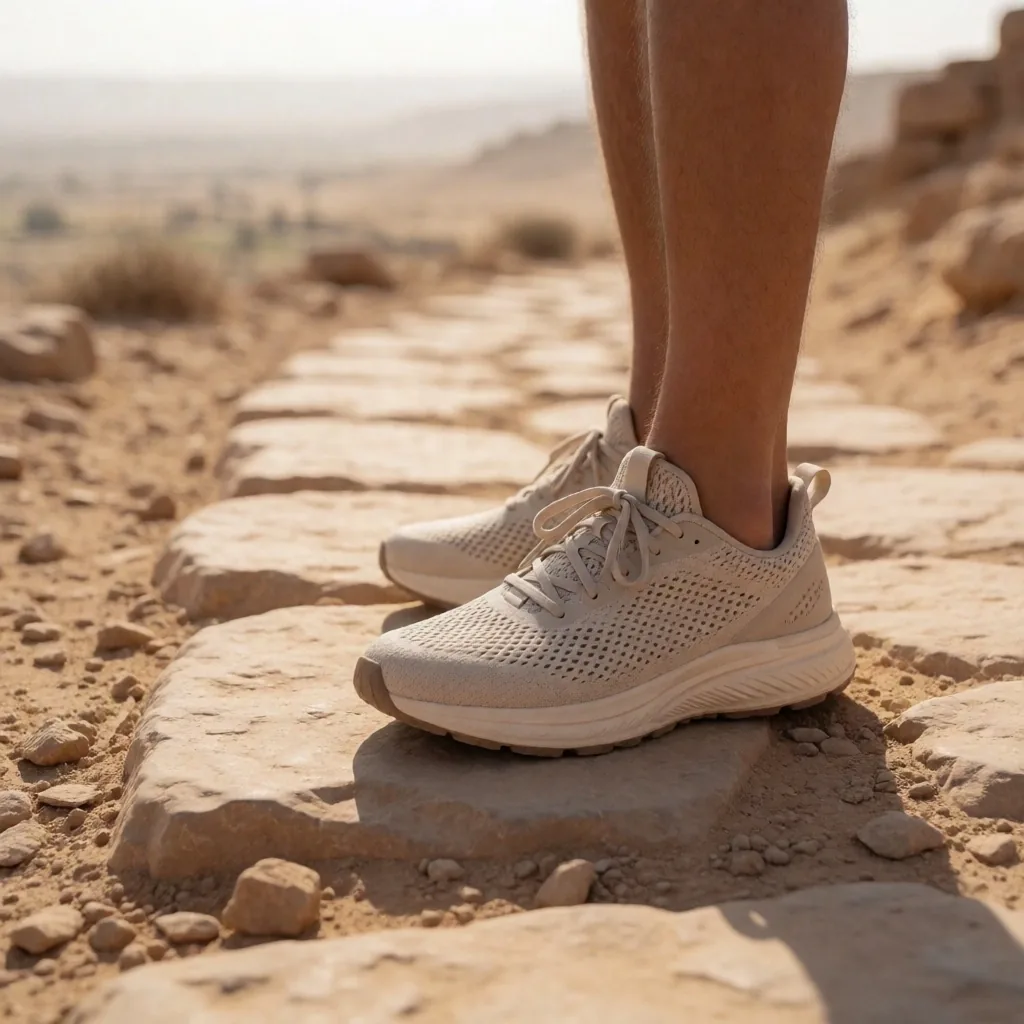
A journey here often involves walking on uneven surfaces, including soft sand, gravel, and cracked pavement. Durable, closed-toe walking shoes are recommended for inland exploration to protect feet from heat and debris. For coastal areas, sturdy sandals with good arch support are useful, but they should be easily removable if you plan to enter certain private or religious spaces.
Bringing at least two pairs of shoes allows one pair to air out, reducing the risk of blisters during long days of walking. Sand that has been baking under direct sun can scorch bare feet within minutes — closed shoes are not optional for desert walks. Choose sandals with a heel strap rather than flip-flops, which offer no lateral support on broken pavement.
Inland / Desert
Closed-toe walking shoes with thick soles. Breathable mesh panels acceptable in summer.
Coastal / Town
Strapped sandals with arch support. Easy to slip off at entryways.
Health and Hygiene Kits
Access to specific personal care items can vary depending on your exact location, so carrying a basic kit is essential. Include high-SPF sunscreen, lip balm with UV protection, and a reliable insect repellent for evening hours near the water. Hand sanitizer and biodegradable wet wipes are invaluable for maintaining hygiene when traditional facilities are not immediately available.
It is also wise to carry a small supply of basic rehydration salts to combat the effects of the heat. Rehydration sachets dissolve into bottled water and replace electrolytes lost through sweating — a practical safeguard for anyone walking in forty-degree heat. Sunscreen should be reapplied every two hours, not only in the morning. Lip balm with SPF is frequently forgotten but the lips burn easily in desert wind.
- — High-SPF sunscreen (SPF 50+)
- — UV lip balm
- — Aloe vera gel for sunburn
- — DEET-based repellent
- — Hand sanitizer gel
- — Biodegradable wet wipes
- — Rehydration salt sachets
- — Basic pain reliever
- — Electrolyte tablets
Tech and Connectivity Gear
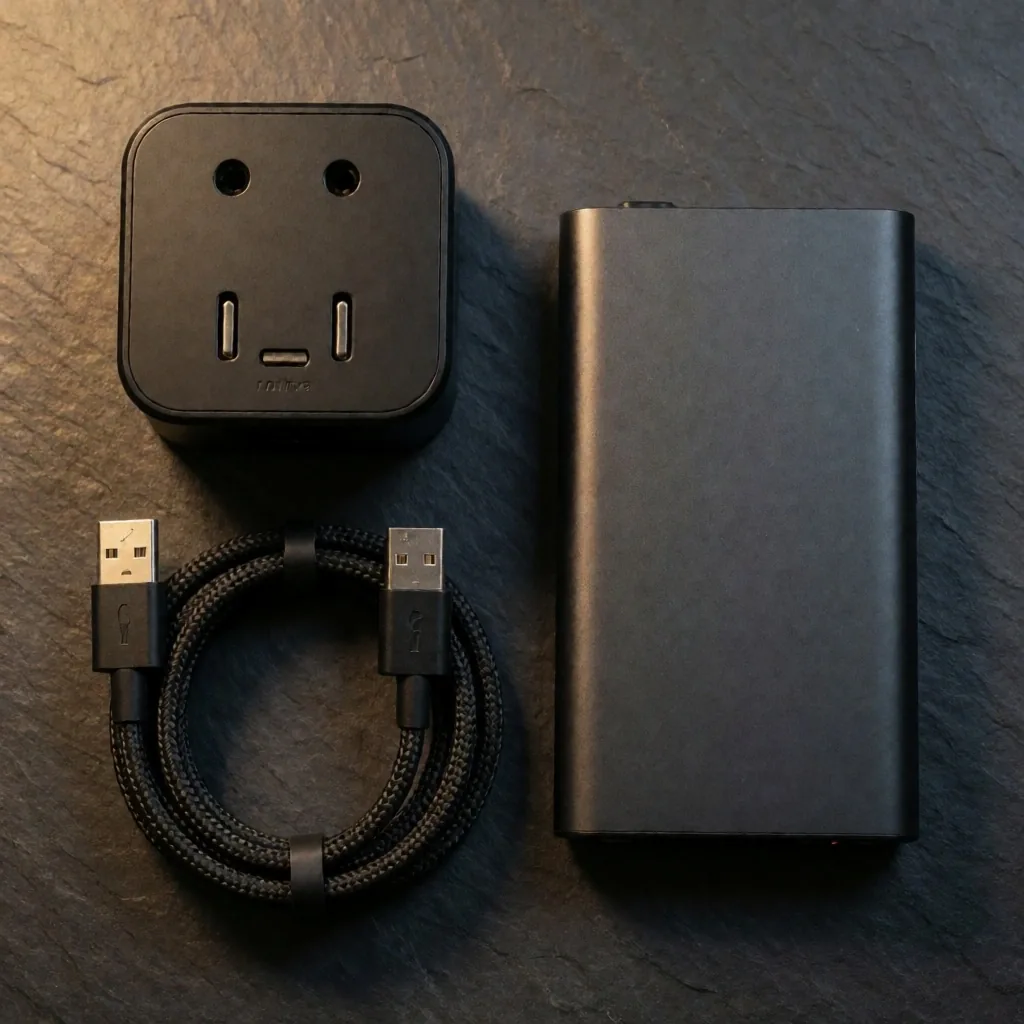
While the focus is often on the landscape, staying connected and powered is a practical necessity. A universal power adapter is required for the local outlets, and a portable power bank ensures your devices remain charged during long transit days. Consider bringing a waterproof bag for electronics if you plan to spend time near the coast or on the river.
Keeping your primary documents in a digital format as a backup is a smart way to use your technology for safety. A power bank rated at 10,000 mAh or higher will fully recharge a phone two to three times — enough for a day of navigation, translation, and photography without wall outlets. Store a PDF copy of your passport on your device and email it to yourself as a fallback.
Accessories for Environmental Comfort
Sunglasses with polarized lenses are not just a fashion choice but a necessity to protect eyes from the glare of the desert sun. A wide-brimmed hat provides additional shade for the face and neck, significantly reducing the risk of heat exhaustion. For those sensitive to dust or pollution in large cities, a simple cloth mask can provide a layer of filtration. Small items like a manual fan or a cooling neck wrap can provide immediate relief during peak temperature hours.
Polarized Sunglasses
Reduce glare from sand and water surfaces. Look for UV400 rating that blocks 100% of UVA and UVB rays. Wraparound frames prevent side-light leakage.
Wide-Brimmed Hat
Choose a brim of at least seven centimetres. A chin strap keeps it secure in desert wind. A hat with a neck flap offers additional protection during midday exposure.
Cloth Dust Mask
Useful in urban areas with heavy traffic or during dust storms. A simple cotton mask filters coarse particles. Carry two or three so a clean one is always available.
Manual Fan & Neck Wrap
A folding hand fan needs no batteries. A cooling neck wrap soaked in water provides evaporative relief for several hours during peak temperature exposure.
Day Bags and Security
A lightweight, secure day bag is essential for carrying your daily supplies while exploring. Look for bags with internal zippers or anti-theft features to keep your phone and identification safe in crowded areas. Avoid overly large backpacks that can become heavy and cumbersome in the heat or crowded public transport.
A cross-body bag is often preferred as it keeps your belongings in sight and within reach at all times. Choose one just large enough for water, sunscreen, a phone, and a scarf — anything bigger becomes a burden by the second hour. Mesh water-bottle pockets on the exterior let you grab and go without opening the main compartment.
Managing Documentation and Paperwork
Organizing your travel documents is a fundamental part of packing that happens before you even zip your suitcase. Keep physical copies of your passport, insurance, and emergency contacts in a waterproof folder tucked away in your main luggage.
Having these backups ensures that even if your primary bag is misplaced, you have the information needed to resolve the situation. A small notebook and pen are also useful for jotting down local addresses or transit instructions. Store digital copies on your phone and email them to yourself — a backup you can access from any internet connection.
Packing for the Nighttime
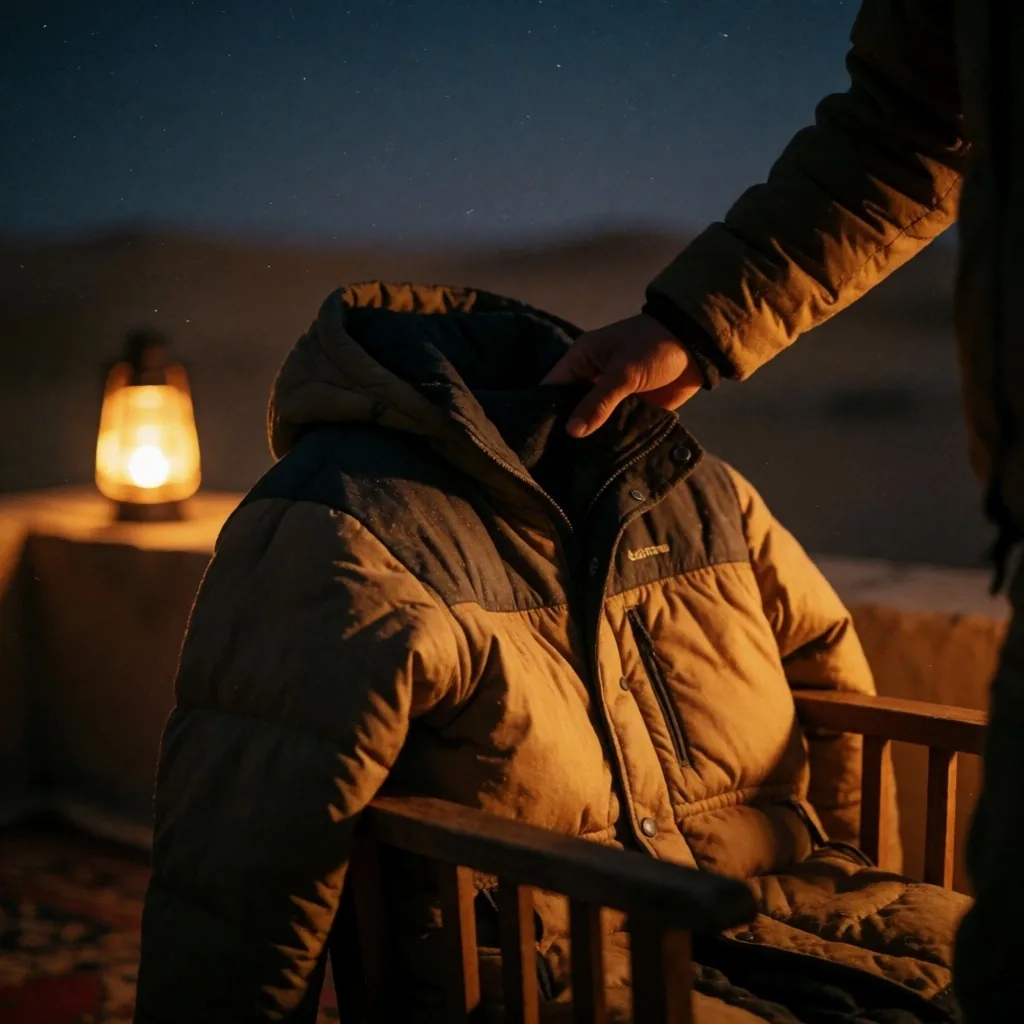
Many travellers are surprised by how quickly temperatures drop once the sun goes down, especially in the desert. A light fleece or a windbreaker is necessary for evening strolls or overnight travel in air-conditioned trains and buses. Even in the summer, the transition from outdoor heat to indoor cooling can be drastic. Packing one warm layer ensures you remain comfortable regardless of the indoor or outdoor environment.
Desert nights can fall below fifteen degrees Celsius even when daytime peaks above forty. The same fleece that feels unnecessary at noon becomes essential on an open-air terrace or a long-distance bus with aggressive air conditioning. Choose a compressible layer that packs into its own pocket — it takes minimal space but makes the difference between shivering and sleeping.
Prepared for Every Hour of the Day
With the right clothing, footwear, and accessories packed, the next step is understanding how to stay safe and aware while moving through the region. Our travel guides cover practical awareness tips and regional highlights that complement this packing checklist.
Every traveller into Egypt benefits from reading beyond the suitcase — knowing the terrain, the social customs, and the seasonal patterns turns a good packing list into a genuinely useful travel plan.
مصر قديم، 3 Mostafa Reda, Al Manyal Ash Sharqi, Old Cairo, Cairo Governorate 4240270, Egypt
Mon–Sun: 08:00–20:00
Informational guidance for travellers.