Safety & Environmental Awareness
Practical, on-the-ground guidance for every traveller into Egypt — sun, traffic, food, local norms, and the small habits that keep a journey smooth.
Egypt travelling guides that prioritise facts over generalisations. Understand the intensity of the sun, read social cues in public spaces, and prepare for urban traffic that follows its own rhythm.
Sun Safety & Heat Management
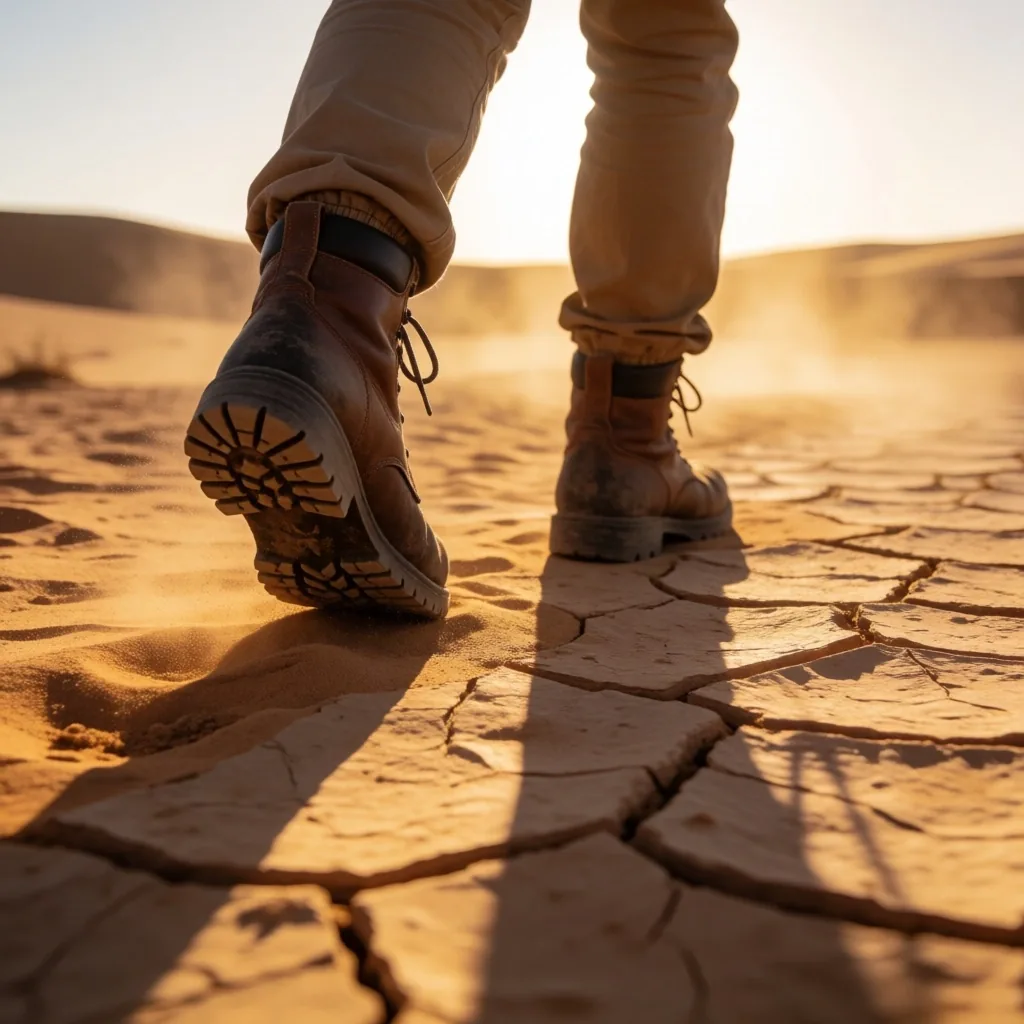
The sun in this region is significantly stronger than in most northern latitudes. Heat-related issues are a primary concern for visitors, not a secondary one. The UV index in summer months routinely reaches extreme levels, and shade is the single most effective tool you have.
Seek shade during the peak hours of 12:00 PM to 3:00 PM. Plan major physical activities — walking tours, desert excursions, climbs — for the early morning, when the air is cooler and the light is softer. Wear light-coloured, loose-fitting clothing that covers the shoulders and neck. Drink water consistently throughout the day, not only when you feel thirsty, because thirst is a late signal of dehydration.
Awareness of your body's signals — dizziness, excessive fatigue, a sudden headache — allows for timely intervention before heat exhaustion develops. If you feel any of these, stop, find shade, and drink water. Do not push through.
Navigating Urban Traffic
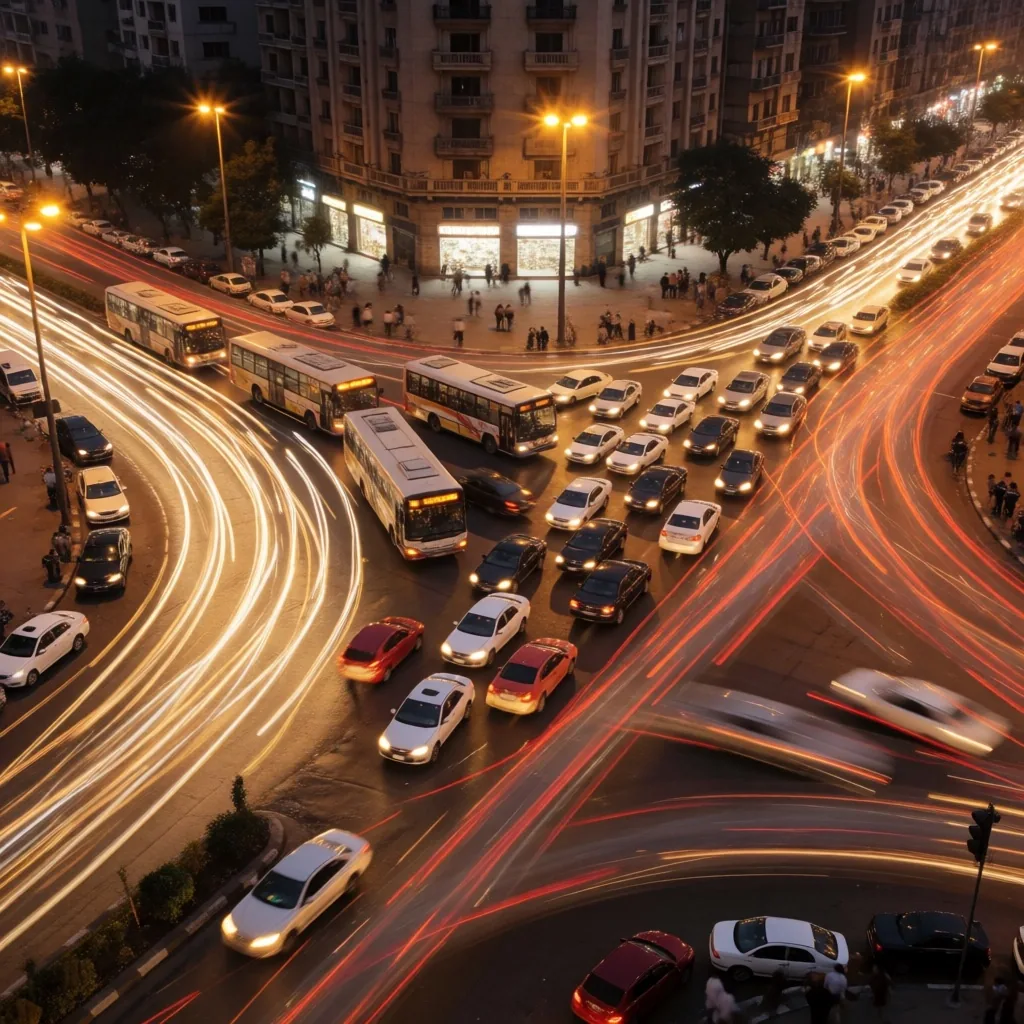
Traffic patterns in major cities follow a logic that differs from Western standards. The flow is dense, continuous, and rarely pauses for pedestrians at unmarked crossings. Vehicles generally have the right of way, and sidewalks may be uneven, obstructed, or suddenly absent.
When crossing a street, wait for a visible gap in traffic or follow the lead of a local resident who is already crossing. Walk at a steady, predictable pace — do not stop mid-lane or sprint. Avoid headphones while walking near roads, because auditory awareness of approaching vehicles matters more than you might expect.
Food & Water Precautions
To maintain digestive health, stick to cooked foods served hot and peel all fruits yourself. Street food can be a highlight of any trip, but choose vendors with high turnover and visible cleanliness — a long local queue is a reliable signal of both quality and safety.
Always use bottled or filtered water for drinking, and be cautious with ice in drinks unless you are certain of its source. Brushing teeth with tap water is generally fine, but those with sensitive digestion may prefer bottled water for this as well. These small adjustments prevent common travel-related illnesses and keep your itinerary intact.
- + Cooked food served piping hot
- + Fruit you peel yourself
- + Sealed bottled water
- — Raw salads washed in tap water
- — Ice from unknown water source
- — Food left at room temperature
Respecting Local Laws & Regulations
Visitors are expected to follow all local regulations. Some rules differ from what you may be accustomed to, and ignorance is not treated as an excuse. Being aware before you arrive prevents accidental infractions and keeps your trip on track.
It is illegal to photograph military installations, bridges, or government buildings. Doing so can lead to questioning by authorities. When in doubt, ask before raising a camera.
The use of drones is restricted. Operating one without prior authorisation can result in confiscation and detention. Assume drones are not permitted unless you have confirmed otherwise.
Carrying a form of identification at all times is a standard requirement for foreign nationals. A passport or a clearly legible copy should be on your person when moving through any public area.
Restrictions apply to certain types of public behaviour. Loud conduct and public displays of affection may be frowned upon and, in some contexts, may draw official attention.
Wildlife & Nature
Whether you are exploring the desert or the coast, maintain a respectful distance from local flora and fauna. In coastal areas, be mindful not to step on coral reefs — they are fragile ecosystems that take decades to recover from physical damage. Even a single footprint can destroy growth that has taken years to establish.
In the desert, watch where you step to avoid disturbing local insects or reptiles. Many desert species are nocturnal and rest under rocks or in sand during the day. Do not pick up animals, feed them, or rearrange rocks. Observing nature without interfering with it ensures your safety and the preservation of the environment.

Scams & Solicitation
In popular areas, you may encounter individuals offering unsolicited help or directions. These interactions often lead to a request for a tip or a suggestion to visit a specific shop. This is common in tourist-heavy zones and is rarely aggressive, but it can be persistent.
A polite but firm "no thank you" is usually sufficient to end the exchange. If you genuinely need directions, ask official personnel or step inside an established shop and ask the shopkeeper. Maintaining a confident demeanour and knowing your destination beforehand reduces the likelihood of being targeted by opportunists. Walk with purpose, even if you are unsure of the exact route.
Say "no thank you" clearly, keep walking, do not engage in prolonged conversation.
Step into a shop or approach uniformed personnel. Shopkeepers are reliable sources of directions.
Emergency Contact & Procedures
Before starting your journey, familiarise yourself with the local emergency numbers for police, ambulance, and fire services. Know the location of your national embassy or consulate in the capital city. Preparation is not about expecting the worst — it is about being ready for the unexpected.
Save local emergency numbers in your phone. Note your embassy's address and hours. Carry a basic first aid kit with bandages, antiseptic, rehydration salts, and any personal medication.
Stay calm. Describe your location in relation to major landmarks — street names may not be visible or recognised. If you cannot describe the street, name the nearest notable building or intersection.
Contact your embassy if official documentation is needed. Keep copies of any reports or reference numbers. Inform someone at home of your situation and status.
Understanding Social Norms
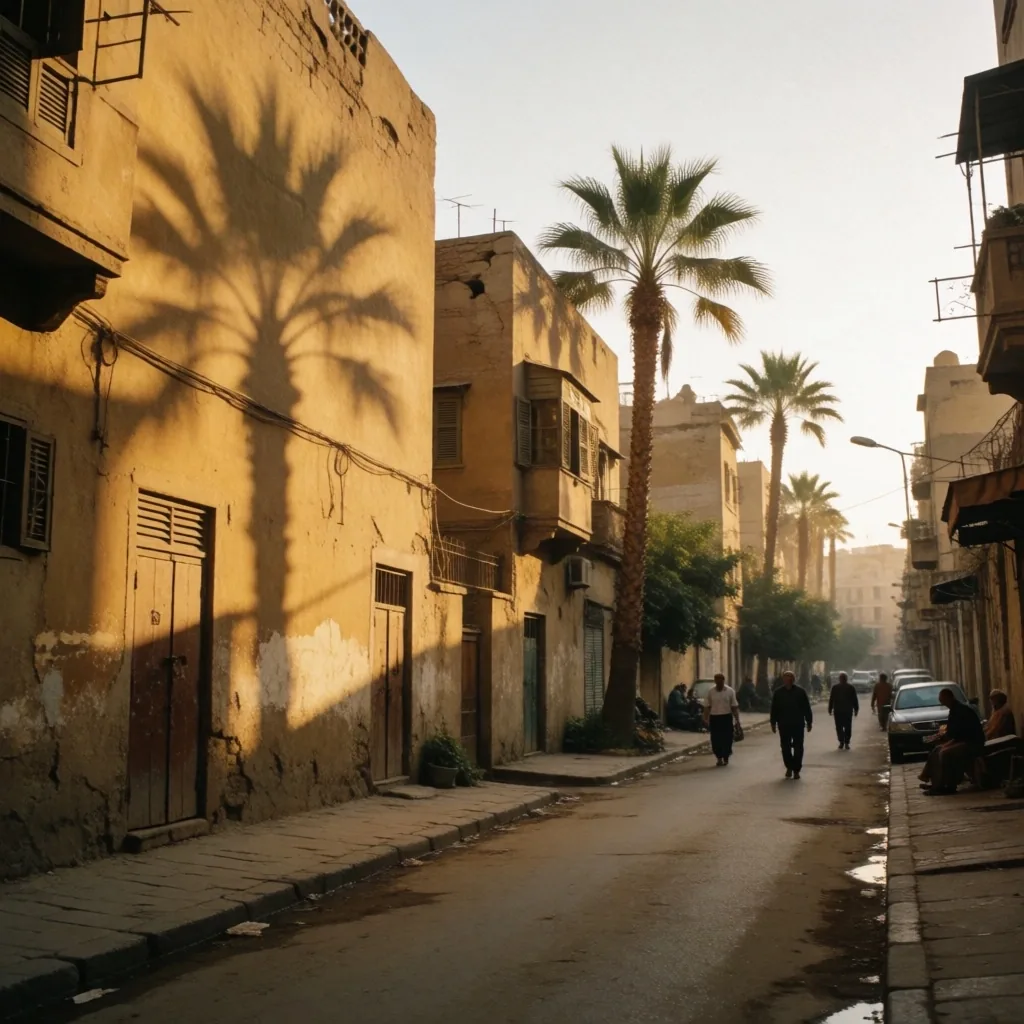
The social fabric here is built on mutual respect and a degree of formality in public interactions. Loud behaviour or public displays of affection may be frowned upon. Understanding this helps you blend in and move through spaces more comfortably, whether you are in a market, a residential street, or a place of gathering.
By observing how locals carry themselves, you can adapt your behaviour to fit the context of the neighbourhood you are visiting. Dress modestly when entering places of worship or traditional districts. Accept tea if it is offered during a conversation — it is a gesture of hospitality, not a transaction. This cultural awareness is a key part of travel guides for any international visitor, and it shapes how you are received far more than language fluency alone.
For a deeper look at etiquette, greetings, and conduct in different settings, see our dedicated cultural guide.
Prepared travel is calm travel
These egypt travelling guides are here to help you arrive informed. Explore the rest of our resources for packing, regional context, and cultural detail.
traveller into Egypt — FAQ
Is tap water safe to drink? +
No. Stick to sealed bottled or properly filtered water for drinking. Use the same caution with ice in drinks unless you are certain of the source. Brushing teeth with tap water is generally fine for most people, but those with sensitive stomachs may prefer bottled.
What should I do if I feel dizzy in the heat? +
Stop whatever you are doing immediately. Find shade or an air-conditioned interior. Drink water slowly and steadily. If symptoms persist or worsen — confusion, vomiting, loss of consciousness — seek medical help. Do not resume activity the same day.
Can I take photos of anything I want? +
No. It is illegal to photograph military installations, bridges, and government buildings. When in doubt, ask before raising a camera. If someone tells you not to photograph something, stop immediately and move on.
How do I handle someone offering unwanted help? +
Say "no thank you" politely but firmly, and keep walking. Do not stop to engage. If you genuinely need directions, ask inside a shop or approach uniformed personnel. Confidence and forward momentum end most of these encounters.
Do I need to carry identification? +
Yes. Foreign nationals are expected to carry identification at all times. Your passport or a clearly legible copy should be on your person when moving through public areas.
Is it safe to eat street food? +
Street food can be safe and excellent. Choose vendors with high turnover and visible cleanliness — a long local queue is a strong signal. Prefer food that is cooked in front of you and served hot. Avoid anything that has been sitting at room temperature.
Still have questions about preparing for your trip? Reach us at [email protected] or see our contact page.